After the Pool: A Simple Skin Routine for Chlorine, Sun and Wet Swimwear
October 10, 2026
**The short answer:** after swimming, rinse skin and hair with fresh water, change out of wet swimwear, cleanse gently where needed, and moisturise if skin feels dry or tight. If you are going back outdoors, renew your sun protection. You do not need a chlorine ‘detox’, an abrasive scrub or a complicated recovery routine.
**First, rinse rather than scrub.** The American Academy of Dermatology's summer skin guidance recommends showering and shampooing after leaving the pool, using fresh water and a mild cleanser or swimmer's body wash. Use comfortably warm—not hot—water. A thorough rinse removes pool water from the surface; scrubbing harder does not prove that more chlorine has been ‘neutralised’.
**Cleanse according to what is actually on your skin.** A mild body cleanser can be useful after a swim, especially where sunscreen, sweat and pool water have mixed. For the face, follow the cleanser's directions and avoid automatically adding a scrub, brush and strong acid. One gentle cleanse may be enough; heavier or water-resistant face products may need a second mild step. The goal is comfortable removal, not a squeaky finish. Our guide to clean-feeling skin without stripping it explains the difference.
**Change out of wet swimwear.** Sitting in damp, close-fitting fabric adds friction and keeps the area wet. Dry off gently and put on clean, dry clothing when practical. Do not assume that every bump after swimming is acne or that chlorine alone caused it. If skin becomes increasingly painful, hot, swollen, blistered, pus-filled or covered by a spreading rash, seek medical assessment instead of repeatedly exfoliating or masking it.
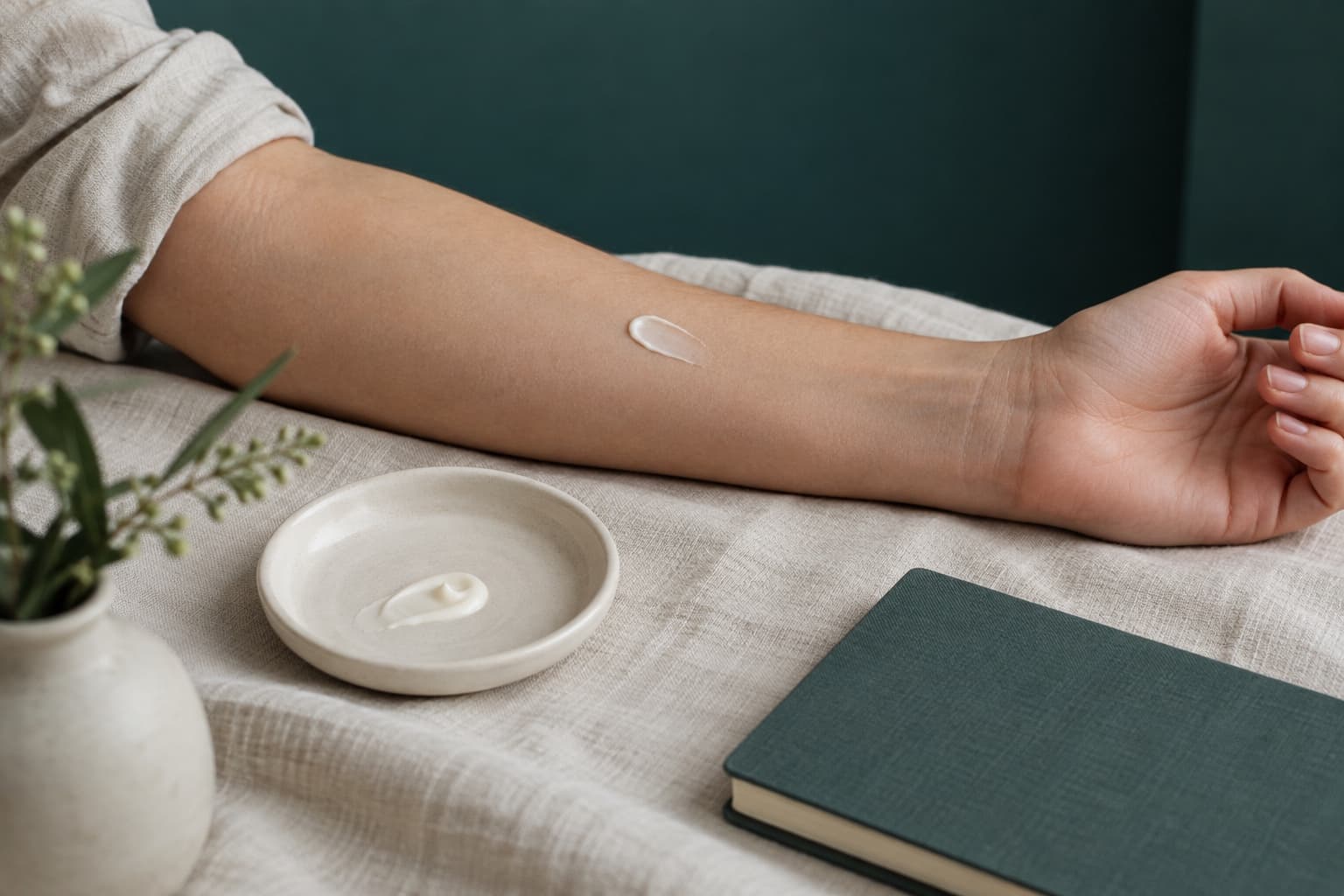
**Moisturise for comfort, not because skin is ‘toxic’.** If skin feels dry or tight after rinsing, apply a moisturiser while it is still slightly damp. The AAD's dry-skin care guidance recommends gentle cleansing, patting rather than rubbing, and moisturising after bathing. Choose a texture you can use consistently; a special post-swim product is not compulsory.
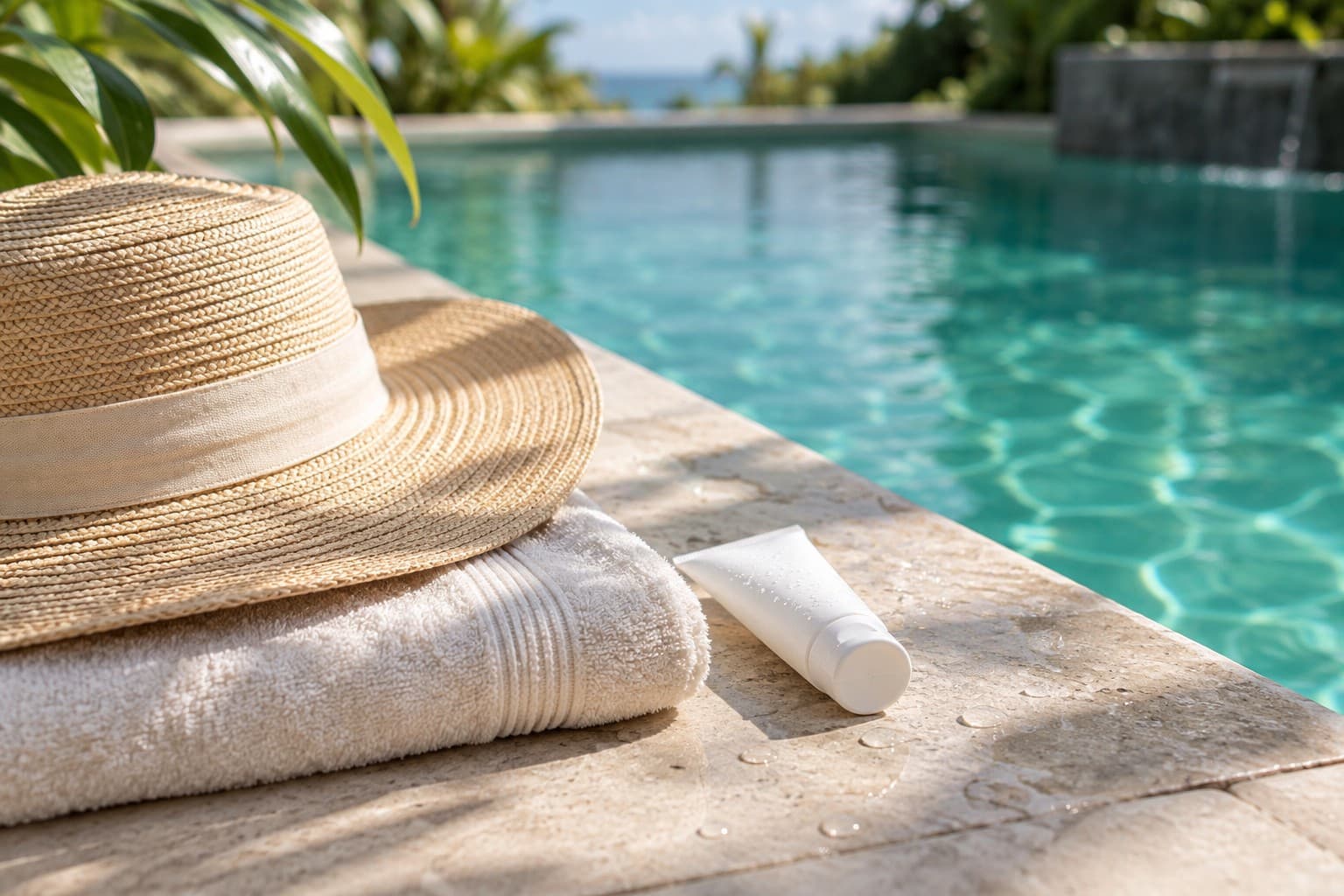
**Outdoor swimming adds a separate sun-protection job.** Before exposure, use shade, protective clothing and a broad-spectrum, water-resistant sunscreen according to its label. After swimming, towelling or heavy sweating, reapply before returning outdoors. Malaysia's NPRA sunscreen guideline rejects claims such as ‘waterproof’, ‘sweatproof’ and ‘whole day protection’, because no sunscreen makes reapplication unnecessary. Our long outdoor-day sunscreen guide offers practical cues.
**What should you skip?** Avoid bleach, household neutralisers, undiluted acids and improvised chemical remedies on skin. Do not use a rough scrub to chase away a pool smell, and do not add several strong actives because the skin feels ‘unclean’. If the day also involved heat and sweat, our post-sweat body-skin routine keeps the same priorities: change damp clothing, cleanse gently and reduce friction.
Start with our Skin Analysis if you would like cosmetic guidance on fitting swimming, cleansing, moisturiser and sunscreen into your routine. d'reena is a beauty house, not a medical provider; Skin Analysis does not diagnose rashes, infections, eczema or chemical injury. The hero image is AI-generated editorial still life and does not depict a d'reena service, product or treatment protocol.
Not sure this is right for your skin?
Take our 2-minute Skin Analysis for a personalised recommendation before you book.