AHAs, BHAs and PHAs: What Actually Separates Them
September 13, 2026
AHA, BHA and PHA can look like three levels on a strength chart. They are not. The labels tell you something about the ingredients, but they do not tell you how often to use a finished product or whether your skin will find it comfortable. Start with the family, then look at the formula and the directions. Collecting one of each is not a requirement for a useful skincare routine.
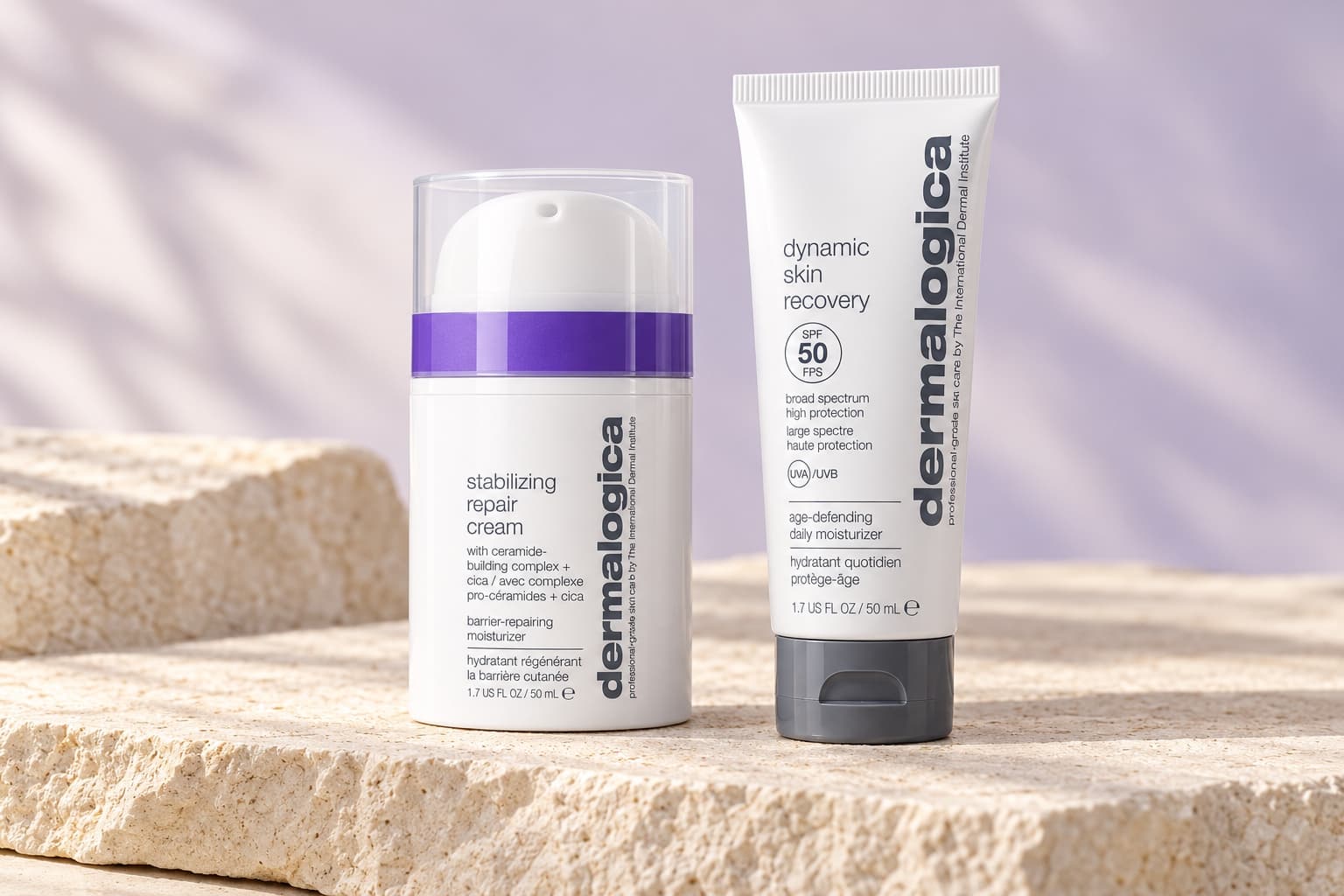
AHAs are alpha hydroxy acids; glycolic, lactic and mandelic acid are familiar examples. They are commonly described as water-soluble exfoliating acids and can help loosen the attachment of surface dead cells. Glycolic acid is smaller than mandelic acid, but size alone cannot tell you how a bottle will behave. Concentration, pH — how acidic the formula is — and contact time also matter. A rinse-off product and a leave-on product are not interchangeable just because the same acid appears on both labels. Dermalogica’s acid-family guide provides useful ingredient context.
BHA on a skincare label usually points to salicylic acid. Its oil-soluble character is why it is often discussed in relation to oily-looking or congested skin, rather than only surface texture. That does not mean it travels to a guaranteed depth or that more is better. There is also a naming wrinkle: the FDA’s BHA explainer notes that salicylic acid is not technically a true beta hydroxy acid from a chemist’s perspective, even though the cosmetics industry commonly calls it one. The label is useful shorthand, not a complete chemistry lesson.
PHAs are polyhydroxy acids, with gluconolactone a familiar skincare example. Their larger structures and multiple hydroxyl groups are often discussed when explaining their different behaviour and moisture-related properties. They are frequently positioned as gentler options, but 'PHA' does not mean irritation-proof. A 12-week clinical comparison evaluated gluconolactone-containing and glycolic-acid-containing regimens, including cosmetic ageing signs and irritation. Evidence about those tested regimens cannot establish how every PHA product compares with every AHA product. Judge the finished formula and your response, not just the family’s reputation.
For a practical comparison, put the products side by side and ask four questions: which acids are actually listed, what directions are given, is it rinsed off or left on, and what else in your routine exfoliates? A low-sounding percentage is not a universal measure of mildness, and a mixed-acid formula does not mean you should add separate AHA, BHA and PHA products afterwards. The aim is to improve the appearance of texture without turning your routine into a tolerance test.
At d’reena, Revive Glow Treatment is listed as a 75-minute superficial peel facial using glycolic and mandelic acids. Our Revive Glow explainer introduces that service. A professional facial is not a template for copying peel strength or contact time at home. Tell us about your current acids and recent services before an appointment, and ask which home steps to pause or resume under the actual aftercare instructions. The menu does not establish that every acid family is used in that facial.
If your skin is already uncomfortable, the next decision may be to simplify rather than switch to a gentler-sounding acid. The AAD’s exfoliation guidance advises considering other skincare products, avoiding exfoliation on sunburn or open wounds, and choosing frequency according to the method and skin response. Our over-treated skin article explores the same less-is-more question. Stop an irritating product; persistent burning, rash or painful changes warrant medical advice rather than another exfoliant.
Sun protection belongs in the plan, including ordinary days in Seremban. The FDA’s AHA guidance warns that AHA cosmetics may increase sun sensitivity during use and for up to a week afterwards. Follow product instructions and use sunscreen, protective clothing and shade. For help organising your cosmetic concerns and current routine, begin with our Skin Analysis. d’reena is a beauty house, not a medical provider; the goal is a manageable cosmetic plan, not a diagnosis or a stronger acid at every visit. The hero is an AI-generated editorial image, not an actual client photograph.
Not sure this is right for your skin?
Take our 2-minute Skin Analysis for a personalised recommendation before you book.