Sun Protection After 40: The Rules Do Not Change, but Your Texture Priorities Might
October 30, 2026
**The short answer:** Turning 40 does not create a new sunscreen rule. Choose a product labelled for broad-spectrum UVA and UVB protection, follow its local directions and warning, and select a texture you are comfortable applying consistently. If your skin now feels drier or a familiar sunscreen pills under makeup, adjust the texture or layering—not the level of protection you look for.
**Keep protection separate from finish.** SPF describes a product’s tested protection against UVB; broad-spectrum wording addresses UVA as well. Malaysia’s NPRA sunscreen guidance says sunscreen should protect against both UVA and UVB, cautions against claims such as “100% protection” or “whole day protection,” and advises users not to stay too long in the sun even when wearing sunscreen. It also recommends reapplying frequently, especially after sweating, swimming or towelling. See the NPRA sunscreen product guideline and follow the directions on the product sold locally.
**If your skin feels drier, compare the whole routine.** A sunscreen can feel tight, greasy or heavy for reasons that have nothing to do with age alone: the formula, the amount used, what sits underneath it and the weather all affect the experience. Try applying your usual moisturiser first if its directions allow, letting each layer settle, then apply sunscreen as directed. If the combination pills or feels uncomfortable, test a different sunscreen texture rather than using less protection. Avoid mixing sunscreen into moisturiser or makeup, which can make it difficult to apply the product as directed.
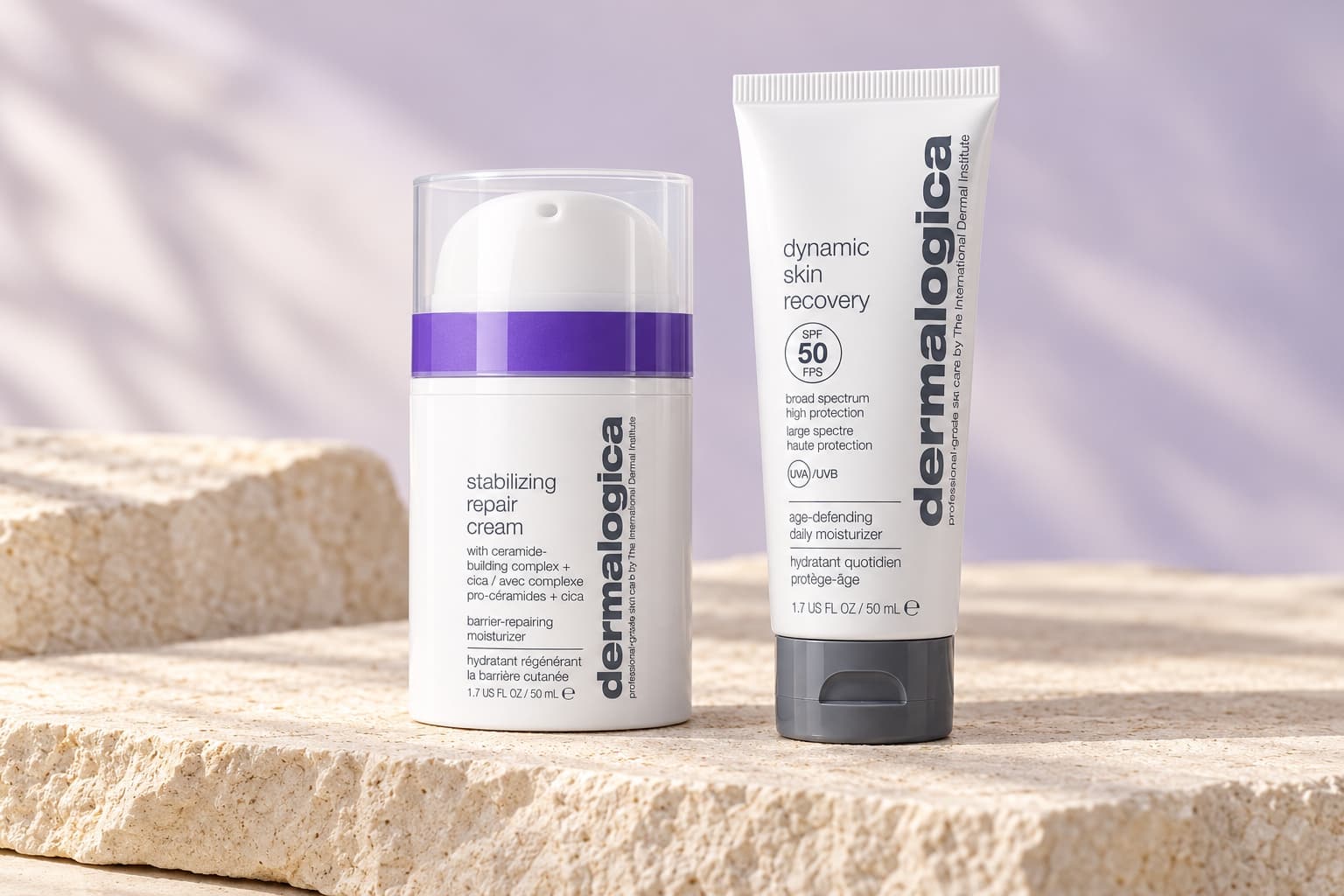
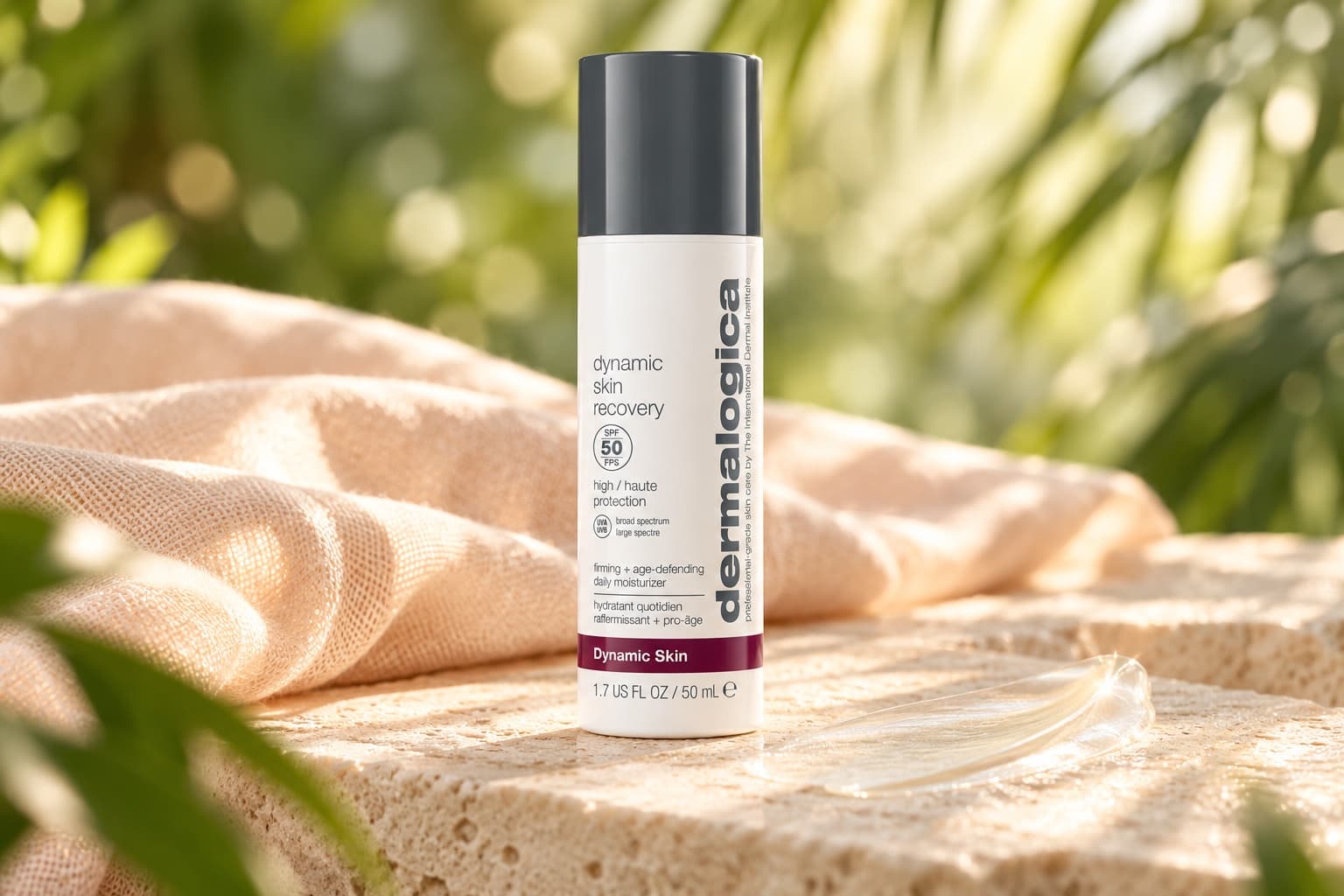
**Make comfort a practical selection criterion.** Compare the local label, finish and directions on options intended for your routine. For example, Dermalogica Malaysia describes Dynamic Skin Recovery SPF50 as a moisturiser with broad-spectrum SPF50 and lists normal, dry and combination skin among its recommended skin types. That is the brand’s product information—not proof it suits every person, a promise of an anti-ageing result, or a reason to choose it solely because you are over 40. Check the current package and product directions, including how much to apply and when to reapply.
**A few questions can help narrow the feel.** Does the sunscreen sting around the eyes? Does it leave a finish you dislike, or pill when layered? Will you be outdoors and need to reapply after sweat or swimming? Is the product intended for your face and does its label give the directions you need? These answers are more useful than a universal “best sunscreen for mature skin” label. If you are comparing filter types, our guide to physical and chemical sunscreen filters explains what those terms mean; for a long day outside, see how to plan sunscreen reapplication.
**Do not expect one product to solve every concern.** Sunscreen is one part of daytime care; it does not replace shade, clothing or sensible time outdoors, and choosing a richer texture cannot guarantee that dryness or visible lines will change. If a product causes persistent discomfort, stop and ask the manufacturer or a doctor for advice as appropriate rather than trying to diagnose the cause yourself. For cosmetic routine questions, bring the products you currently use to Skin Analysis at d’reena, a beauty house. Skin Analysis is for cosmetic discussion and is not medical diagnosis.
The hero is an AI-generated editorial depiction of Dermalogica Dynamic Skin Recovery SPF50, based on the current Dermalogica Malaysia product page. Generated packaging may not reproduce every detail and is not a product photograph, personal recommendation or depiction of a d’reena service; check the actual local product label.
Not sure this is right for your skin?
Take our 2-minute Skin Analysis for a personalised recommendation before you book.