When Lip Balm Stings, Should You Keep Using It?
November 18, 2026
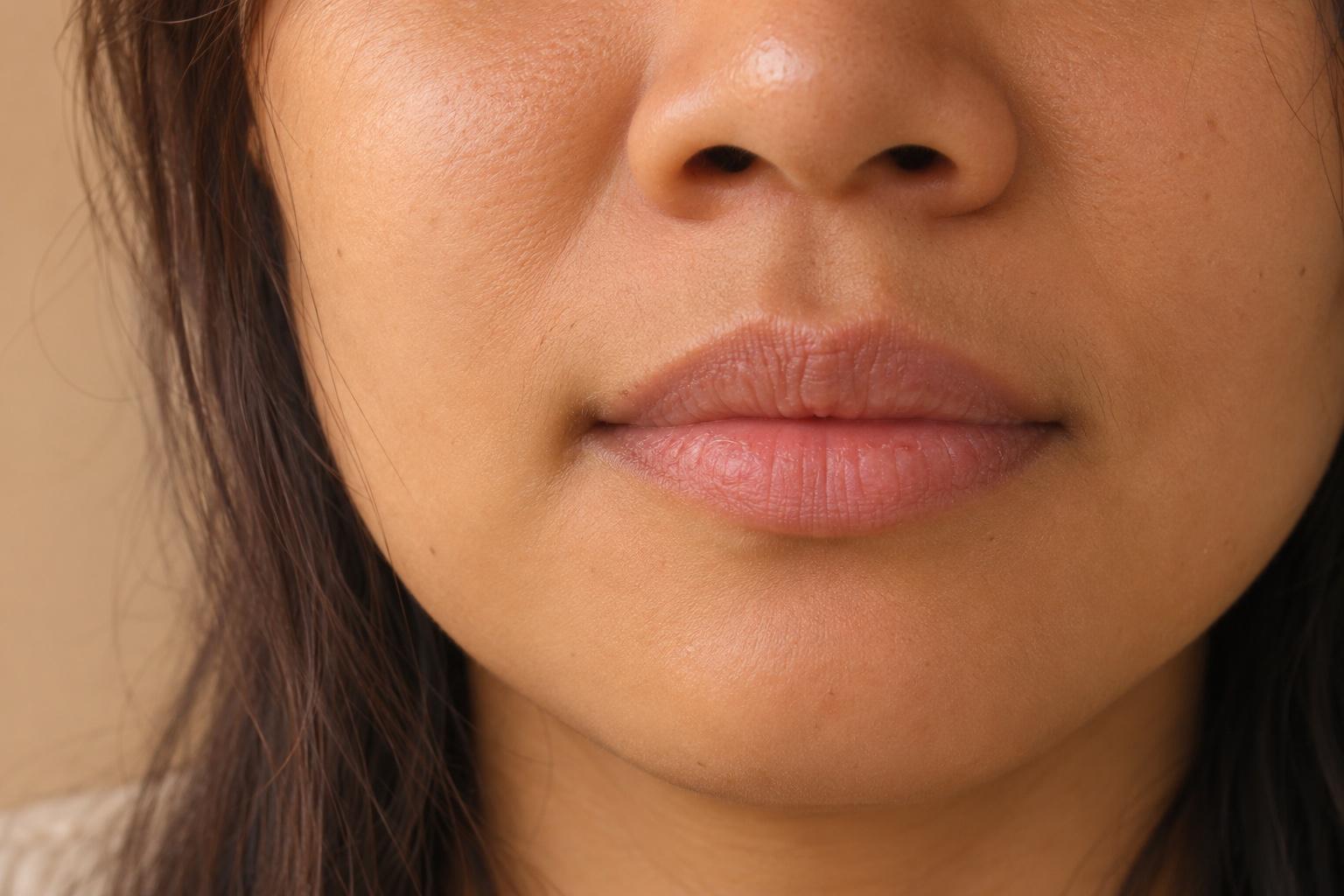
No. If an everyday lip balm stings, burns or makes chapped lips uncomfortable, stop using it rather than waiting for your lips to get used to it. Tingling is not evidence that a balm is repairing dryness. The American Academy of Dermatology’s advice on chapped lips specifically warns against treating those sensations as a sign that a product is working. A cooling sensation and a comfortable result are different things.
What should you check on the tube? While lips are chapped, the Academy advises avoiding ingredients such as menthol, camphor, fragrance and mint flavouring. That is a practical reason to put a minty balm aside, not a way to diagnose an allergy from its label. Keep the packaging or a clear photo of the ingredients if you need advice later. Our fragrance-free versus unscented guide explains why a product’s smell is not a complete account of what is inside it. “Natural” is not the question to settle here; “does this feel comfortable on my lips?” is more useful.
What can you try instead? Choose a simple, fragrance-free option rather than another cooling or flavoured version. Plain white petroleum jelly is one option for dry lips; you do not need to build a separate collection of lip masks and serums. The NHS guidance on sore or dry lips recommends petroleum-jelly-containing balms and notes that people can be sensitive to cosmetic ingredients. Wash your hands before applying balm, and don’t share it. A pharmacist can help you choose if you are unsure or several products have been uncomfortable.
Should you lick or peel away the flakes? Resist both. The NHS cautions that repeated licking can worsen soreness and picking or biting flaky skin can delay healing. For a practical reset, keep the comfortable balm where you normally reach for the one that stings, and set the suspect product aside. This is a simpler change to follow than switching between several new formulas throughout the day.
What changes outdoors? Before an outdoor lunch or a weekend walk, use a comfortable lip product with SPF 30 or higher and reapply every two hours while outside, following the Academy’s guidance. Plain petroleum jelly is not a substitute for an SPF-labelled product. Keep lip protection alongside the sunscreen you already carry; our outdoor-day sunscreen guide helps with planning the rest of your routine.
When is it time for a doctor? If dryness is not improving after two to three weeks of gentle care, get medical advice. Do not wait that long for hot, painful, swollen lips, which the NHS advises having checked. A persistent sore that will not heal also needs prompt medical assessment, as Northern Ireland’s public-health guidance explains. For broader everyday skincare planning, you can start with Skin Analysis at d’reena beauty house. It is not a medical diagnosis or a substitute for having a lip problem assessed.
Not sure this is right for your skin?
Take our 2-minute Skin Analysis for a personalised recommendation before you book.