Pico Laser with ProRestore: Pigmentation Goals and Firming Claims Are Different
November 4, 2026
The short answer: prioritise the change you actually want, rather than assuming one pairing delivers every benefit. Less noticeable pigmentation and firmer-looking skin are different goals. The name Pico Laser with ProRestore does not, by itself, prove that a session will both improve uneven tone and lift facial contours. Ask separately what the laser is intended to address, what ProRestore adds, and how each proposed result would be assessed. A brighter-looking finish is not evidence of lifting.
Name your goal before comparing treatments. If a dark area looks less distinct from the surrounding skin, that is a change in tone. If your concern is a softer-looking jawline, it is a different question from colour or surface smoothness. Write down one priority in ordinary language: ‘I want these marks to look less noticeable’ or ‘I am concerned about this change in contour’. Do not let a broad word such as rejuvenation quietly substitute one outcome for the other.
What the d'reena listing tells you—and what it does not. Our Pico Laser with ProRestore service page lists a 45-minute appointment and names SnowLight Pico Laser. That information describes the menu entry, not proof of a particular clinical outcome. The listing does not specify the exact device model, wavelength or settings needed to match it to a published study. Ask for those details and the intended outcome before deciding; do not assume research on another picosecond device automatically establishes the same result here.
Read the endpoint, not just the word pico. A randomised study of 20 participants comparing picosecond and fractional laser approaches reported improvements in pigmentation, photoaging and assessed skin quality after treatment courses. It involved a specific 755-nm picosecond alexandrite system, with follow-up four and twelve weeks after the final treatment. Those findings support studying particular protocols for particular appearance concerns. They do not establish that every pico session lifts a face, or that the SnowLight–ProRestore pairing produces the same results. Our interpretation: an improvement in a broad skin-quality rating should not be translated into a guaranteed contour change.
Ask whether the evidence fits your skin, too. A prospective study of fractional 1064-nm picosecond treatment in 20 Asian participants reported improved melasma scores and participant-reported rejuvenation after a nine-session protocol. This was a small study of selected participants, mainly with Fitzpatrick skin type IV—not a comparison proving that all Asian skin responds alike. A pigmentation score and a satisfaction rating are not measurements of facial lifting. Neither this study's treatment schedule nor its medical indication should be treated as a ready-made plan for you.
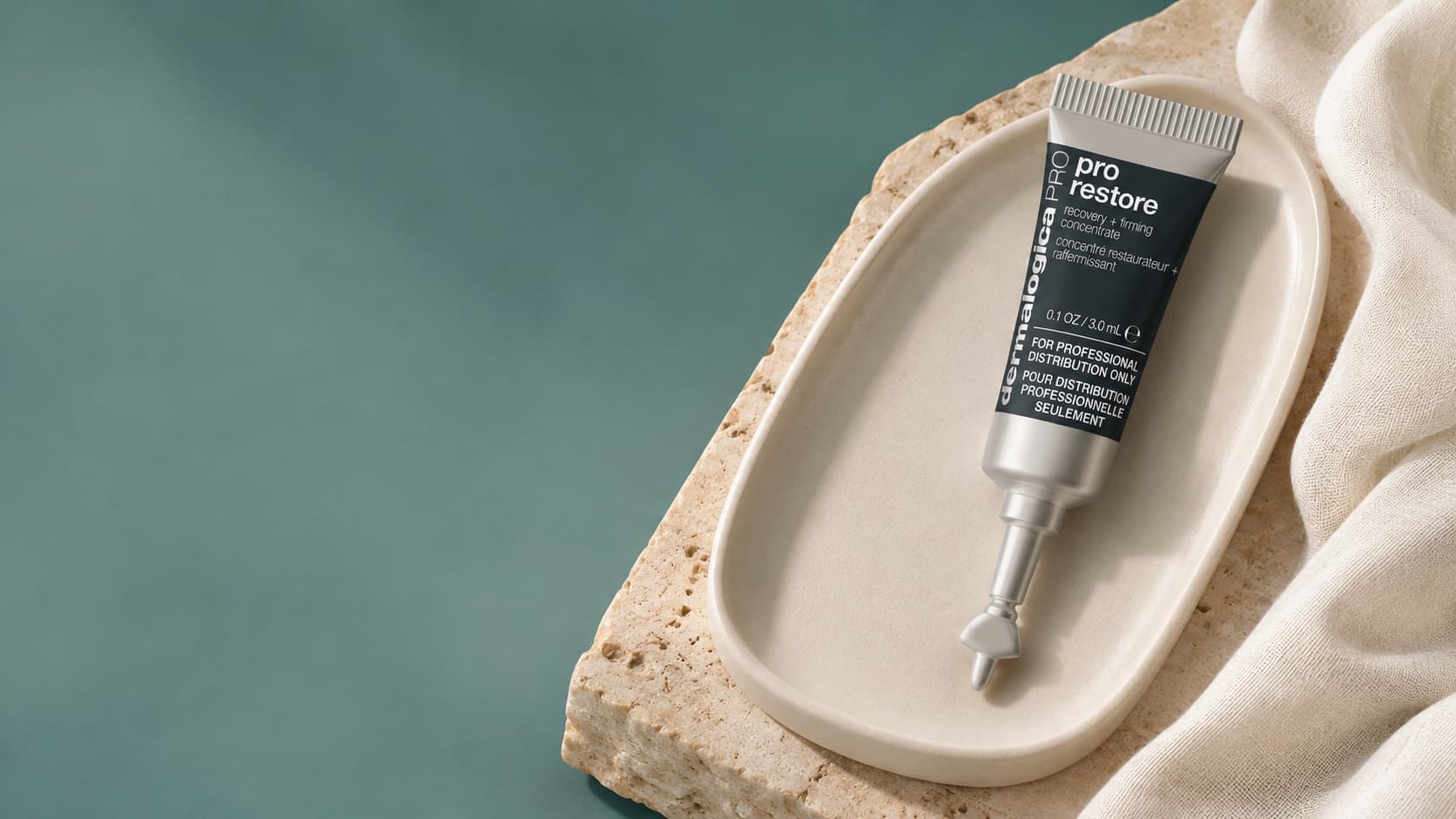
Where ProRestore fits in the comparison. Dermalogica describes Pro Restore Concentrate as an adjunct for advanced treatments, with claims relating to recovery and visible firmness and brightness. The footnote on its official Pro Restore evidence page describes a 32-participant microneedling study and supplementary studies of ten participants each, including laser procedures. These are manufacturer-reported findings across different procedures. They do not establish how much benefit the product adds to the exact pairing on our menu, or prove anatomical lifting. Consider the concentrate's proposed supportive role separately from the laser's intended pigment outcome; adding a serum is not a guarantee of greater correction or no downtime.
Bring four questions to the discussion. What is the single main outcome we are aiming for? What evidence matches the proposed device, settings and my skin tone? What risks, recovery needs and alternatives should I understand? When will we review the result, and what would count as a reason not to continue? Ask for an explanation of any firming claim rather than treating it as a free extra. Comparable photographs may help a discussion, but different lighting, angles or expressions should not be mistaken for a treatment effect.
Some pigment questions belong with a dermatologist first. Do not assume an unexplained patch is simply a cosmetic mark or that every patch has the same cause. The American Academy of Dermatology's melasma guidance explains that diagnosis and treatment are individualised; sunlight can worsen patches, and sun protection matters for recurrence. It recommends broad-spectrum SPF 30 or higher alongside shade and a wide-brimmed hat. For everyday planning in Malaysia, our long outdoor-day sunscreen guide can help organise that separate habit. A cosmetic consultation at a beauty house is not a diagnosis or a medical melasma treatment plan.
Plan recovery separately from results. Before proceeding, obtain instructions specific to the procedure and your skin, including which products to use, when to restart your routine and whom to contact with concerns. Do not infer a universal recovery timetable from the word pico or from ProRestore's inclusion. Our Pico Laser recovery and aftercare guide covers the practical questions to raise; it is not a substitute for individual instructions.
For a cosmetic discussion, start with d'reena's Skin Analysis. Tell our beauty house team whether tone, surface appearance or contour is your priority, and bring your current routine and questions. The aim is clearer expectations, not a promise of pigment clearance, smaller pores or lifting. Medical concerns need an appropriate healthcare professional. The hero is an AI-generated editorial depiction of Dermalogica Pro Restore based on official packaging reference imagery, not a documentary photograph or a treatment-result image.
Not sure this is right for your skin?
Take our 2-minute Skin Analysis for a personalised recommendation before you book.