Before Your Next Facial: Bring a Routine List, Not Just a Skin-Type Label
September 20, 2026

You arrive for a facial and are asked what you use at home. 'I have oily skin' is an understandable answer, but it leaves out the part that may matter most to the conversation: what has your skin actually been through lately? A practical routine list helps you and the therapist talk about the products, changes and comfort concerns that are relevant to a cosmetic plan. It need not be a perfect skincare diary. A note on your phone is enough.
Start with product names. List your cleanser, moisturiser, sunscreen and any serums, exfoliants or masks you currently use. Include how often you use them, rather than just the ingredient names you remember. 'An acid toner twice a week' is clearer than 'I use some actives.' If you can, bring photos of the actual packaging. Formulas can vary by product and change over time, and a similar-looking bottle is not a reliable substitute for the full name and current directions.
Next, note changes and timing. Did you start a new product, change how often you exfoliate or have another service recently? Did your cheeks begin to feel tight after the evening cleanse, or did makeup start sitting differently? You do not have to decide what caused the change. Describing what you noticed and when is more useful than assigning yourself a diagnosis. Our one-change-at-a-time skincare guide explains why keeping changes distinct can make observations easier to interpret.
Add previous experiences that you want the team to know about. Perhaps a facial step felt uncomfortable, or a product led you to stop using it. If there was a severe or persistent reaction, seek a doctor's advice instead of asking a beauty service to identify an allergy. The American Academy of Dermatology's product guidance notes that even products selected for a skin type can irritate someone and that a dermatologist may be needed when the cause of a reaction is unclear. That is a medical question, separate from d'reena's cosmetic consultation.
Then write down your aim in plain language: 'I want makeup to sit more comfortably,' 'my face has felt dry after washing,' or 'I want to discuss the appearance of congestion.' These statements give a better starting point than saying only normal, dry or oily. A label can be useful shorthand, but it cannot tell us whether your present priority is comfort, surface appearance or a particular aftercare question. The SkinBoost three-mode guide illustrates why current cosmetic priorities matter when discussing Soothing, Purifying or Hydrating directions.
Finally, bring two or three questions for the visit. What steps are planned? Are any of your home products relevant to the proposed service? What should you expect your skin to feel like afterwards, and what aftercare applies to you? Ask rather than assuming a universal pause period for acids or other active products. Do not change prescribed medication on the strength of a general blog post; questions about prescribed care belong with your prescribing clinician.
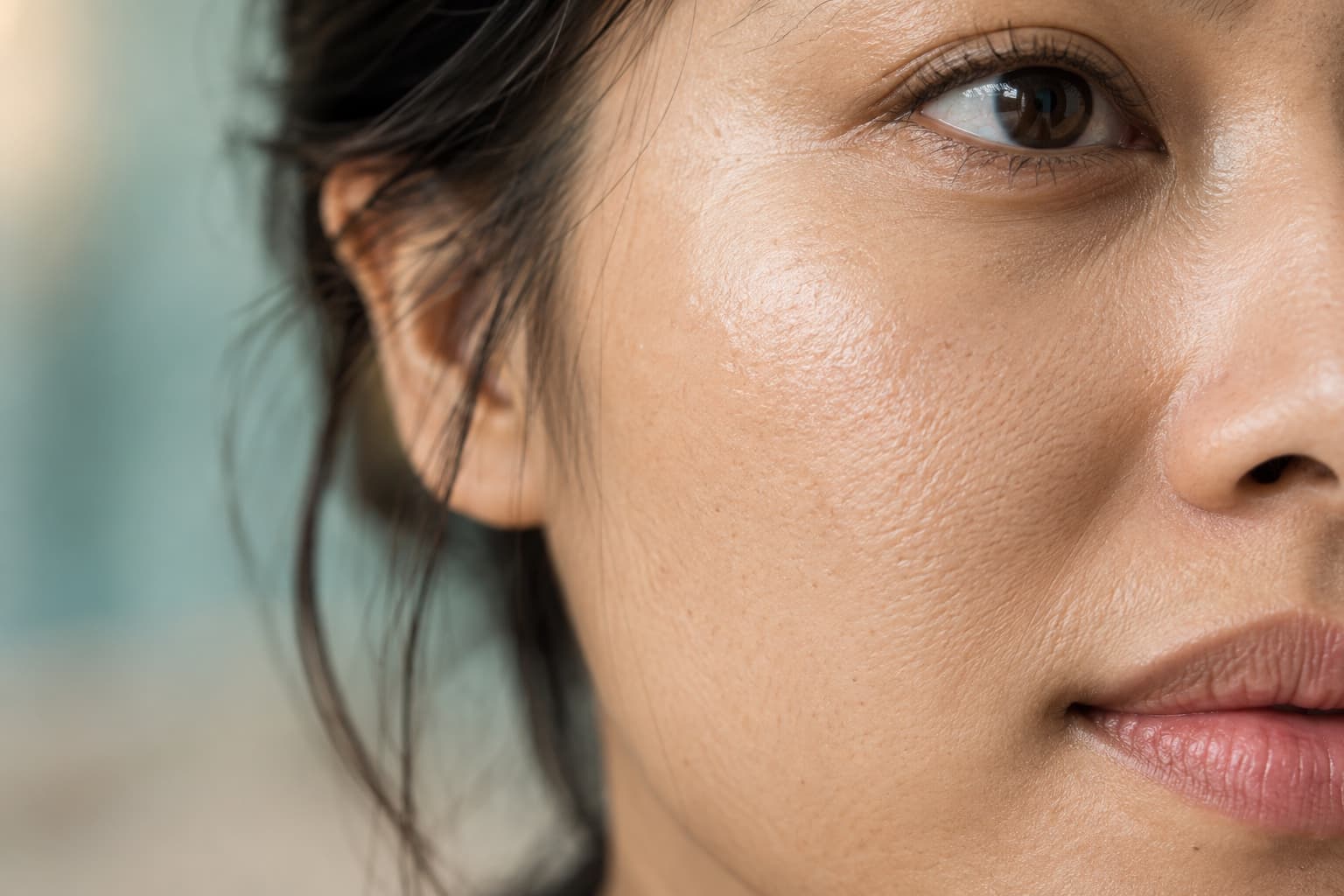
If you are considering the SkinBoost Treatment, its menu confirms a 90-minute service with Soothing, Purifying and Hydrating options. It does not replace a conversation about which option or steps fit your current needs. At d'reena in Seremban, we are a beauty house offering cosmetic guidance, not diagnosis or medical clearance. Bring your short routine list, and start with our Skin Analysis if you would like help organising your questions before booking. The hero image is AI-generated editorial imagery based on a real d'reena staff portrait; the consultation scene and client are illustrative, not documentation of an actual appointment.
Not sure this is right for your skin?
Take our 2-minute Skin Analysis for a personalised recommendation before you book.